
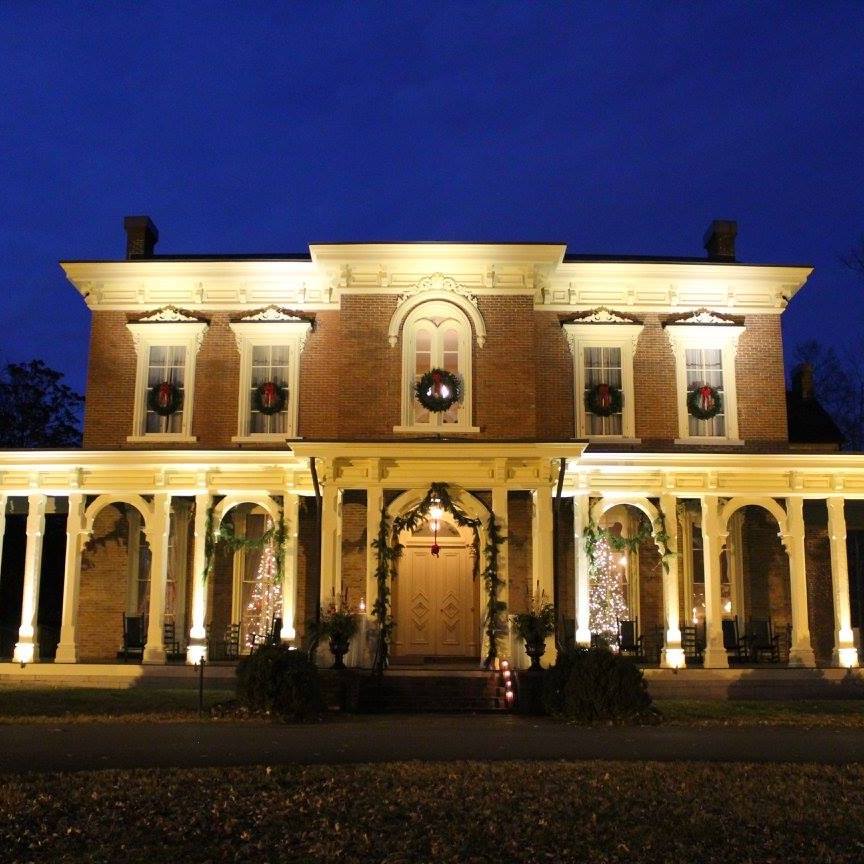
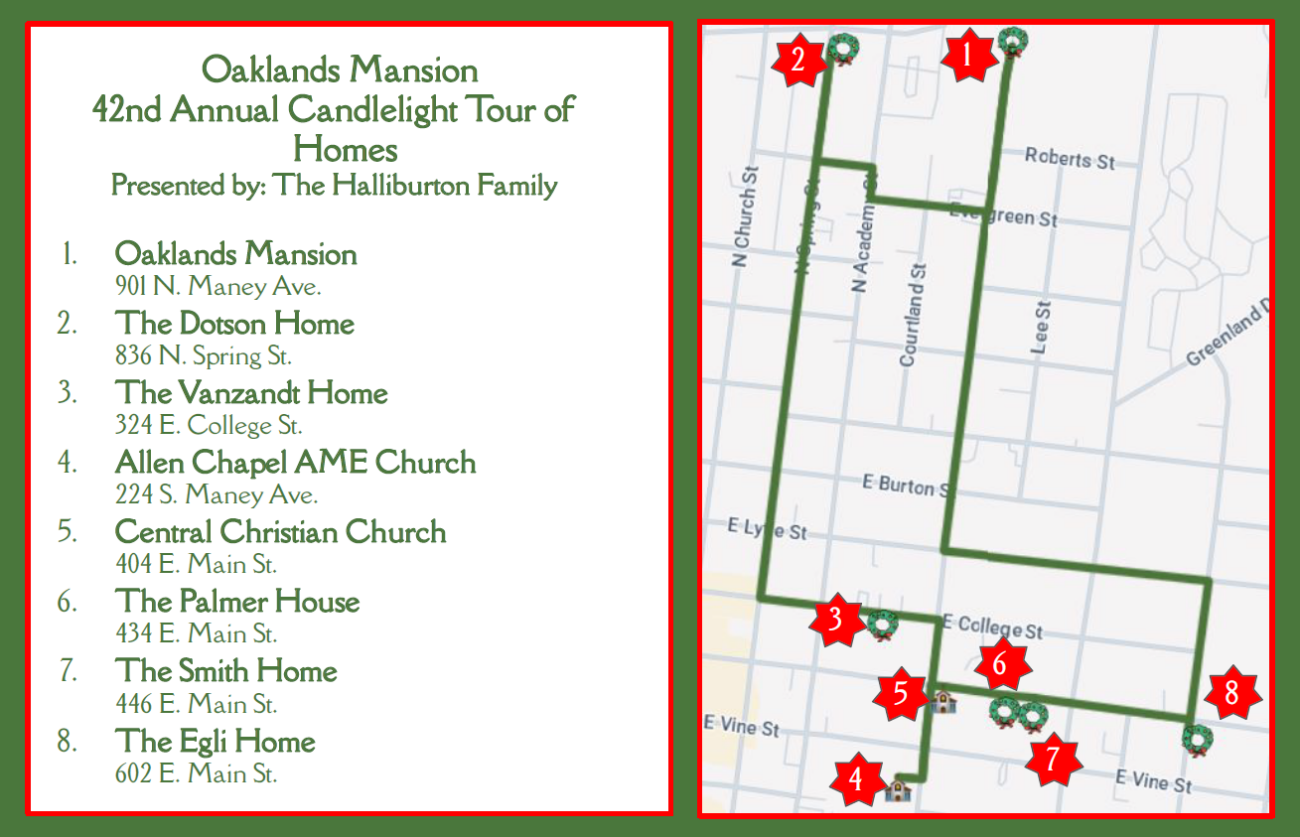
You are invited to usher in the holiday season with a special Christmastime tour of homes on Saturday, December 13, 2025 from 4:00PM until 8:00PM. This special holiday tradition will take you through Murfreesboro’s East Main Street Historic District, to some historic homes on adjoining streets and then to Oaklands Mansion. Oaklands Mansion will be dressed in all its holiday splendor.
You are welcome to drive yourself and park on the street sides following all City of Murfreesboro parking regulations. Free parking is also available at Oaklands Mansion and Oaklands Park. The Visitors Center lot is designated for our guests with ADA needs. The City of Murfreesboro no longer allows parking on the grass at Oaklands Mansion or Oaklands Park.
The 42nd Annual Candlelight Tour of Homes will feature several historic homes, churches and Oaklands Mansion.
Murfreesboro Little Theatre members will be found throughout the mansion sharing short stories and special tidbits of information about the historic structure. Oaklands staff and board members will also be present to greet you and further discuss this nationally registered historic site and its impact on our community.
Elaine Winters and Rob Pearcy from The Home Sweet Home Band will play Christmas standards and old holiday favorites. Oaklands Museum Shop will be open for unique holiday shopping.
Food trucks including Travelin’ Tom’s Coffee, Twist and Taste Bakery, and BombMi Food Truck will be parked at Oaklands Mansion.
In Maney Hall, the Tennessee Valley Winds Brass Quartet will play two 45 minute sets starting at 4:00PM.
Also in Maney Hall, Mrs. Claus will be sharing cookies in Maney Hall and collecting toy donations for Give a Little Christmas. They are a group of artists for community transformation who help spread Christmas magic by providing gifts for kids. They focus on families with last minute emergencies and temporary setbacks.
Admission is $30.00 per adult and $10.00 per student ages 6-12. The evening is free for ages 5 and under. Guests may purchase admission online, or in the museum, shop by 6:00PM on Saturday, December 13th.
To inquire about including your property, or to sponsor the event, please email events@oaklandsmansion.org or call 615-893-0022.
Also sponsored by LaVergne Save A Lot
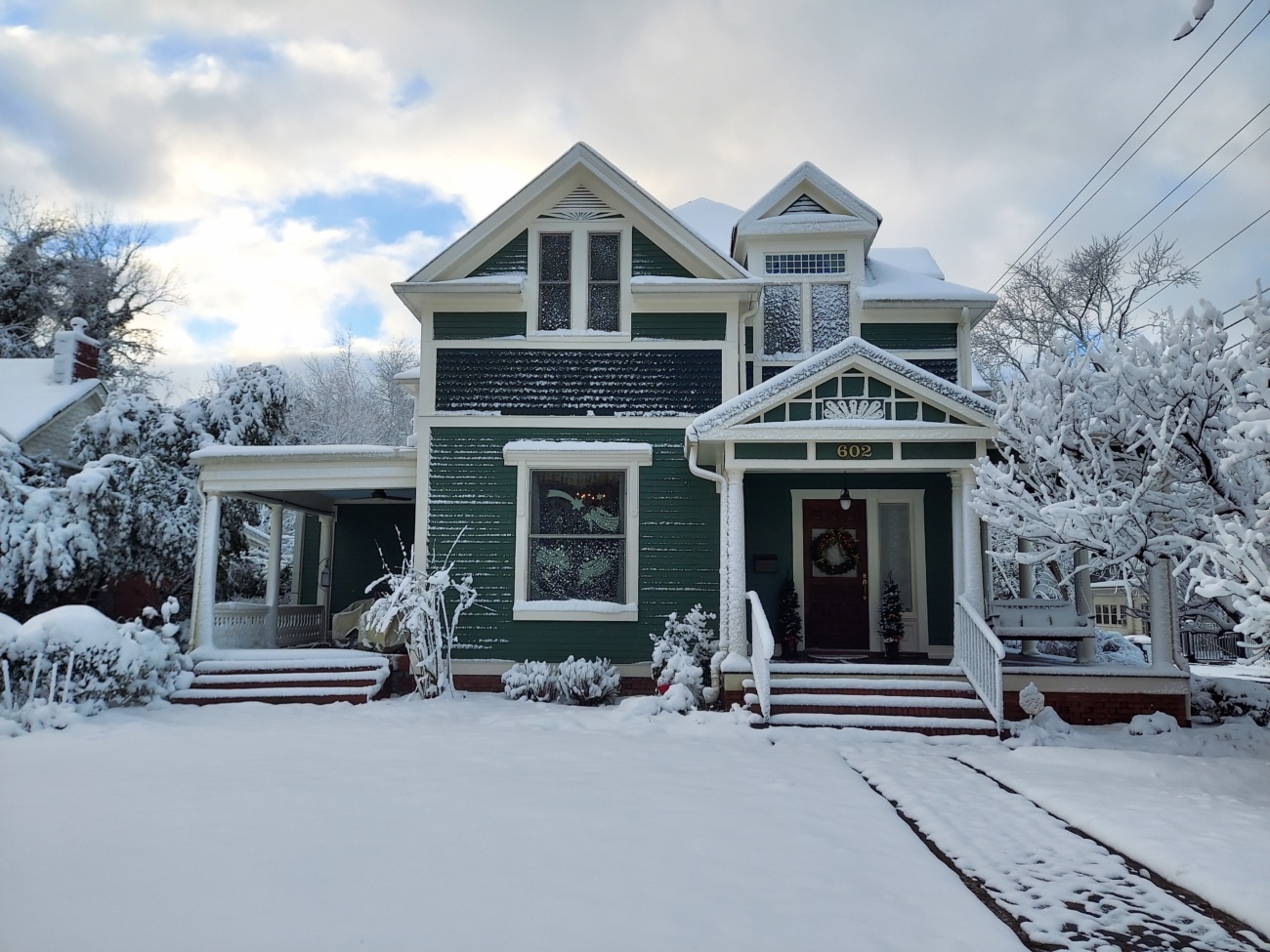
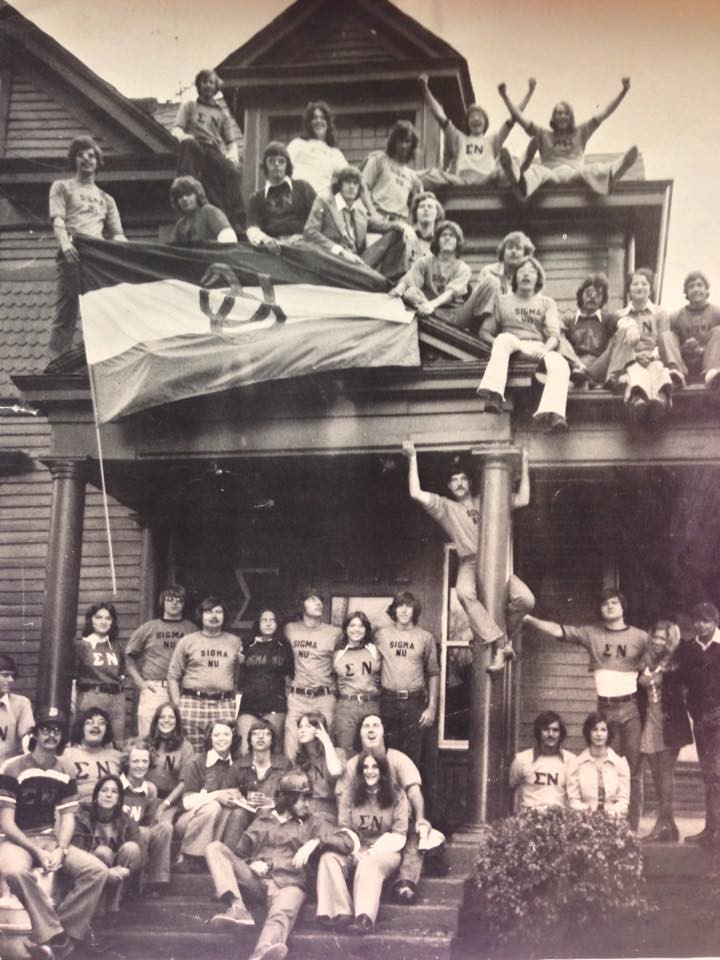
602 East Main Street was built around 1905 and is a Queen Anne home completed in the Stick style. Stick style features prominent horizontal and vertical lines and was the precursor to the more ornate Queen Anne style. It was built using balloon framework, where the vertical studs extend the full height of the structure. It has served as a single family home, apartments, and the Sigma Nu fraternity House.
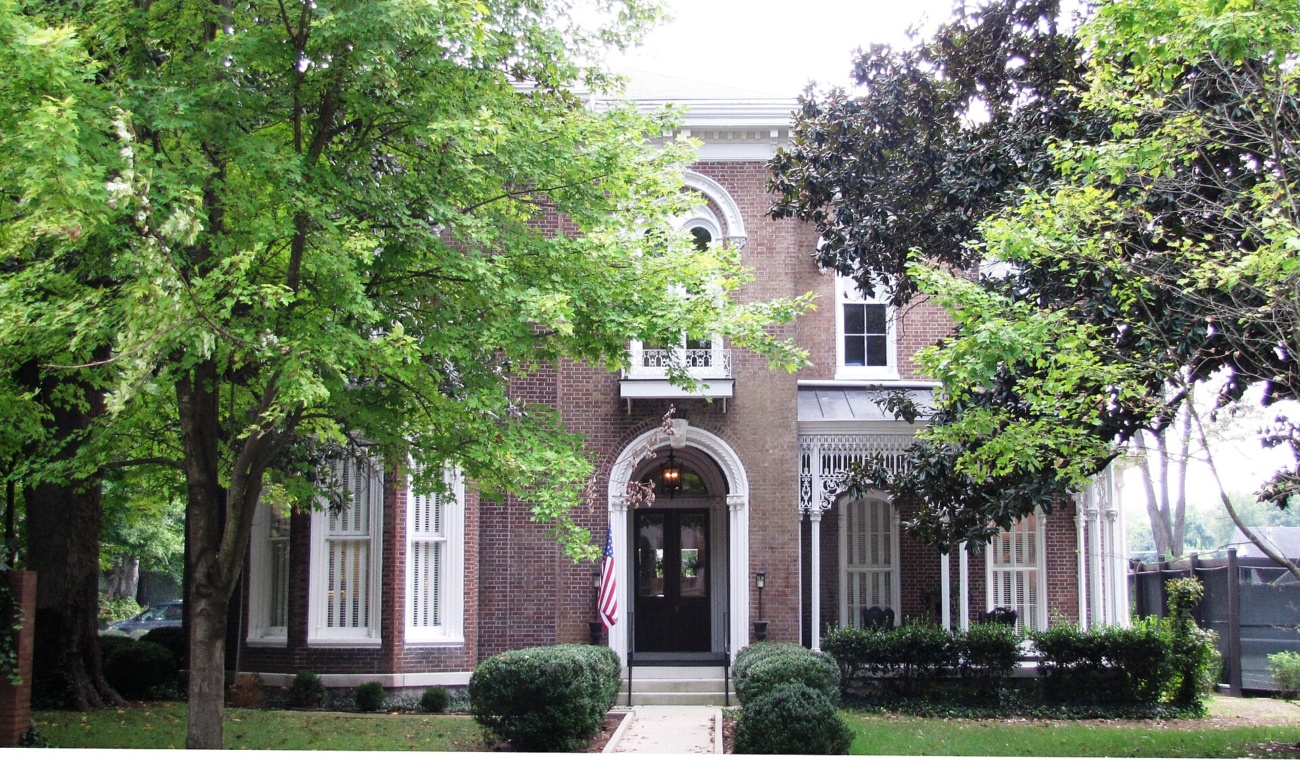
Built between 1867 and 1870, The Palmer House was commissioned by Joseph B. Palmer—former state representative, mayor of Murfreesboro, and Brigadier General in the Confederate States Army during the American Civil War. Designed in the Italianate architectural style, the home was created as a wedding gift for his second wife, Margaret Mason.
The two stained-glass windows above the central stairway are believed to be original Tiffany pieces. In the early 2000s, the residence underwent an extensive and meticulous restoration by the Roberts Family, with additional enhancements completed by Spencer Carter of Spencer for Hire, Jeff Bouley, and Bogel Construction.
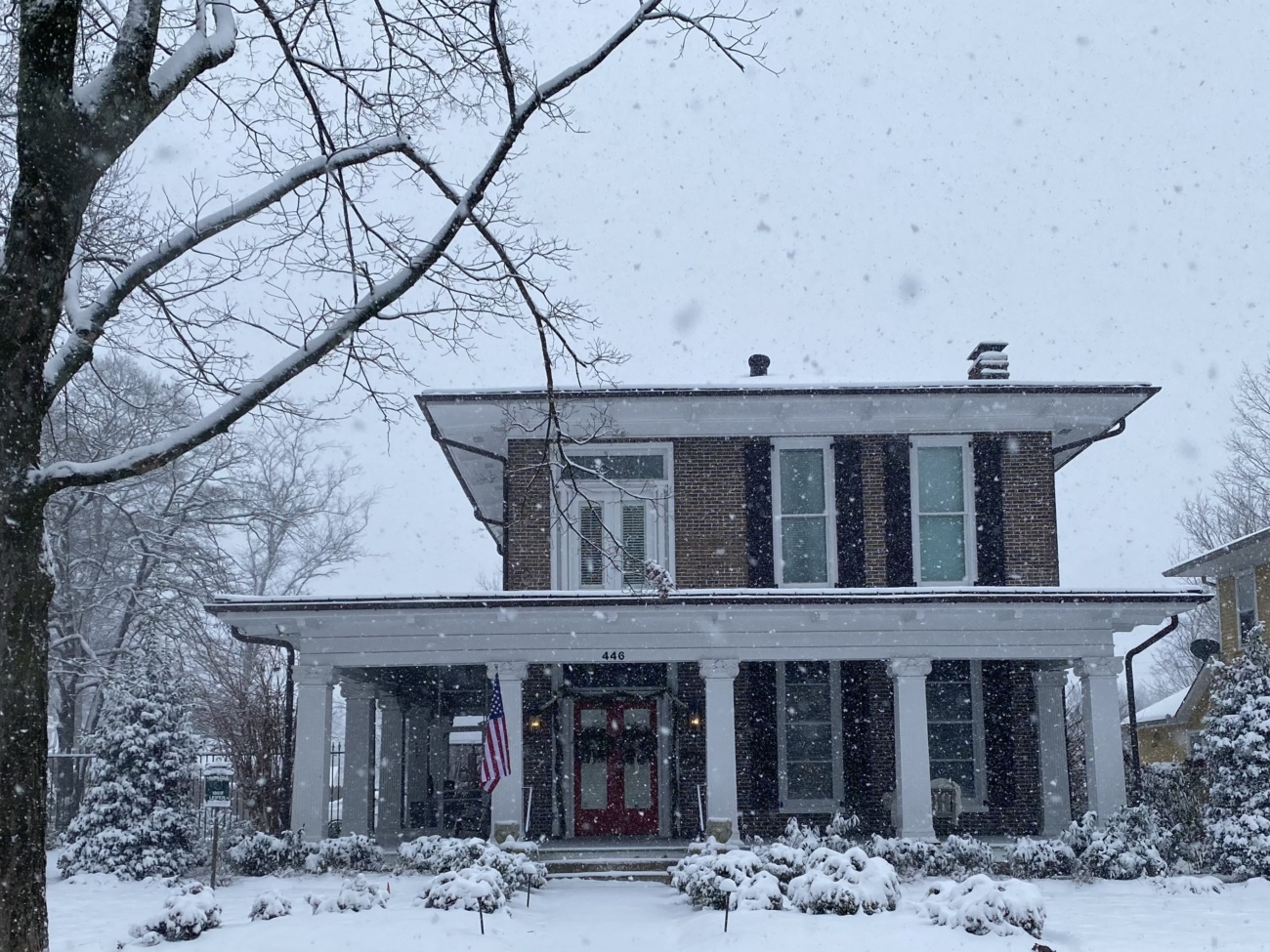
Built in 1869 for Murfreesboro attorney James A. Leiper and his wife, Alice Kimbro Leiper, this distinguished residence has witnessed more than 150 years of local history. In 1881, Capt. James H. Clayton Sr. and his wife, Hadassah, purchased the property. Their son, James Clayton Jr., later inherited the home, keeping it in the Clayton family for generations.
By the late 1800s, modern conveniences were added, including indoor plumbing and a newly built interior kitchen. The original detached kitchen—once separated from the main house to reduce fire risk—has since been repurposed as a garage and outbuilding.
In the 1990s, owners made additional structural updates, including the installation of an elevator. The home’s appearance evolved as well: Victorian elements were introduced to both the interior and exterior before giving way to Neoclassical details, such as the iconic Ionic columns gracing the one-story porch.
The Smith family, current stewards of the property, have continued its thoughtful evolution. Blake Smith, a construction professional, reconfigured the upstairs layout to better accommodate their four children, while the kitchen was redesigned to feature expanded storage, a larger island, modern appliances, and bright, timeless white tile.
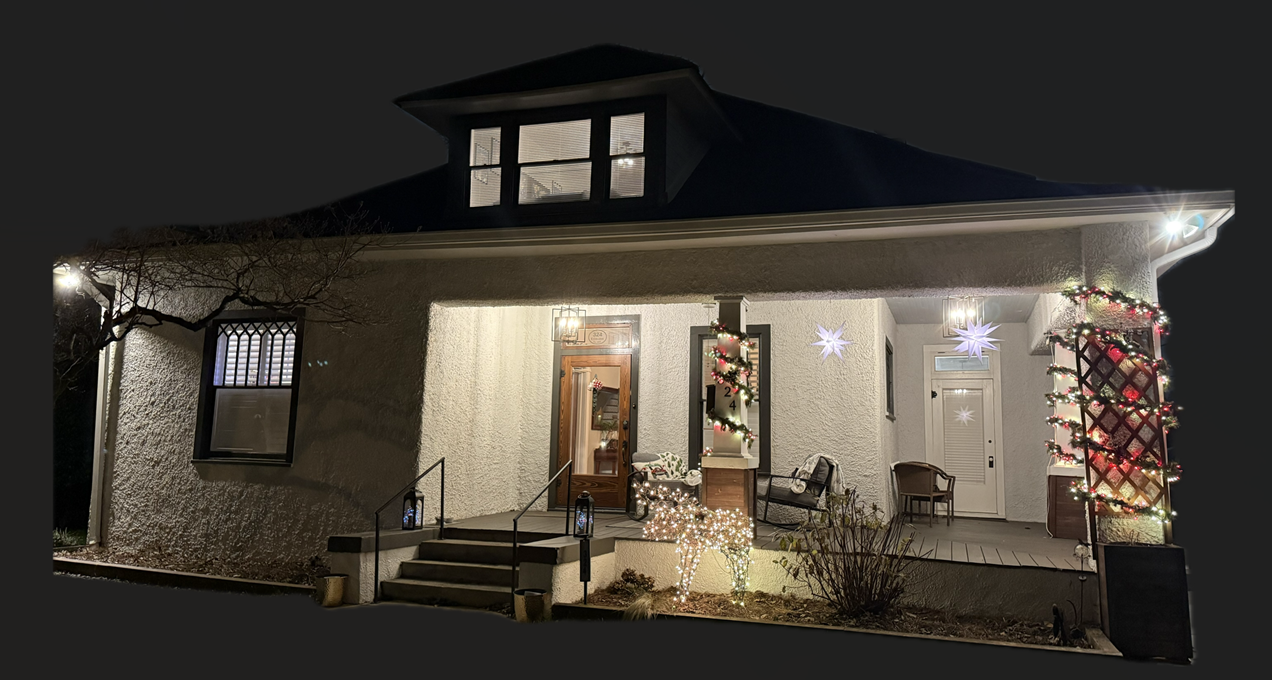
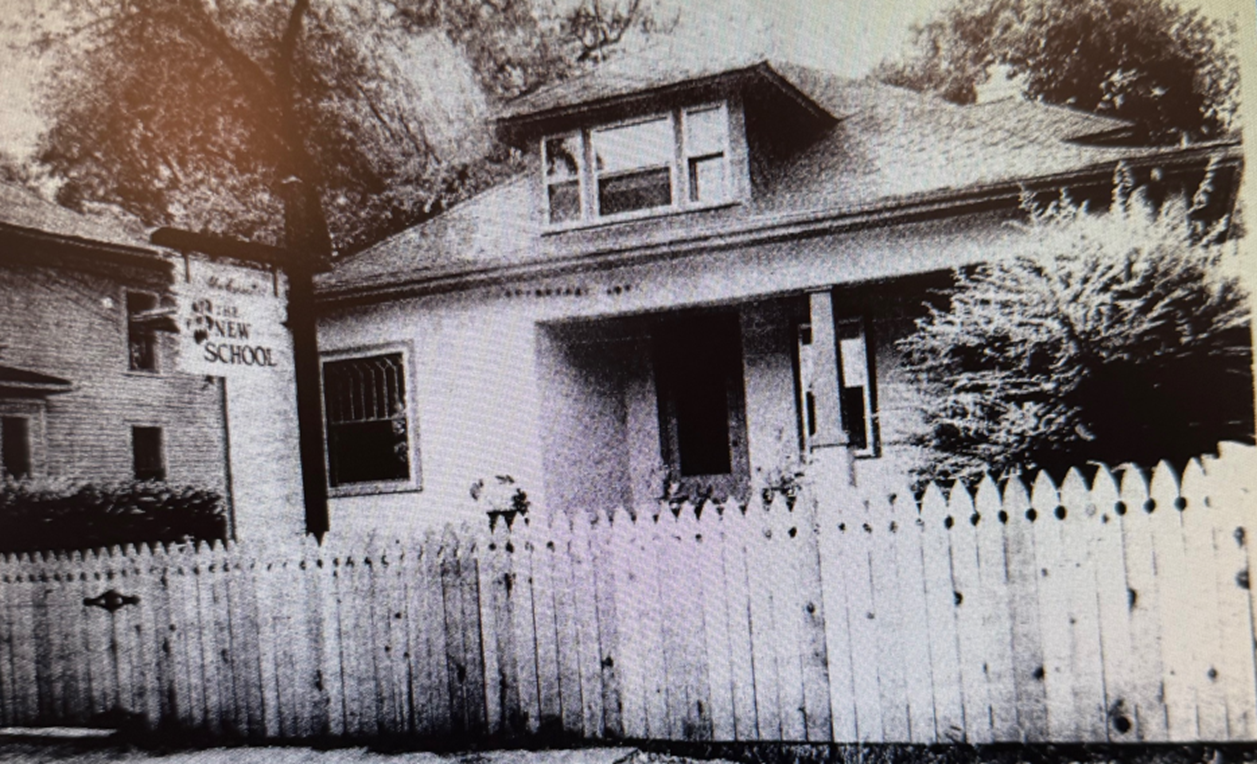
The home at 324 E. College was built under the ownership of Dr. Fielder Allen Boulware and his wife, Mrs. Ules Atherton Boulware in 1912. Dr. Boulware was a Doctor of Osteopathy. His practice was located in the house with patient entry from the side door on the porch. He sold the house in 1915 and moved his practice to Nashville. He passed at 84 on December 23, 1963. The lot that the house was built on was originally part of the Reed residence which stretched from First Baptist Church on East Main Street to the Northeast. The house is a simple stucco craftsman. Typical craftsman woodwork inside includes multiple pocket doors and the staircase. Current owners added a powder room from the butler’s pantry and a storage closet from a discovered vacant walled off area behind the kitchen. Also added was a two car garage with a second story workshop. In 1977, Elizabeth Ann Fite opened The Montessori School / The New School in the house. The current owners’ daughter-in-law, Hannah Clark Vanzandt, attended the school in the mid 1990’s. There are Firefighter seals embossed on the top concrete steps to the porch (by firefighter Jerry Mosely & his wife, Melissa). There is a “choir loft” in the stairwell which is basically unusable space but is a great place to display a carousel horse.

This charming Craftsman bungalow on North Spring Street was built in 1932, during a time when Murfreesboro and the nation faced the harsh realities of the Great Depression. Still, homes like these were built, reflecting the resilience and enduring spirit of their residents.
The first time the current owner toured this home during an open house earlier this year, she immediately fell in love with it, and everything about it felt just like home. Not only was this home, with its wide front porch and Craftsman charm, everything she wanted in a house, but the location was also perfect—within walking distance of the downtown square where her favorite shops and restaurants are, as well as Oaklands Mansion, her favorite historic site in Murfreesboro. She quickly made an offer and purchased the home in May of this year.
The previous owners made updates to the home, including opening the main living area downstairs to create a more spacious feel and replacing some hardwood floors after a basement fire. Despite these changes, the house still embodies the cozy charm of the 1930s. The current owner’s mid-century modern decorating style fits perfectly with her home. It reflects not only her own simple, forward-looking, optimistic outlook on life but also recalls the optimism of the people who lived here during simpler times, as they emerged hopeful from the Great Depression.
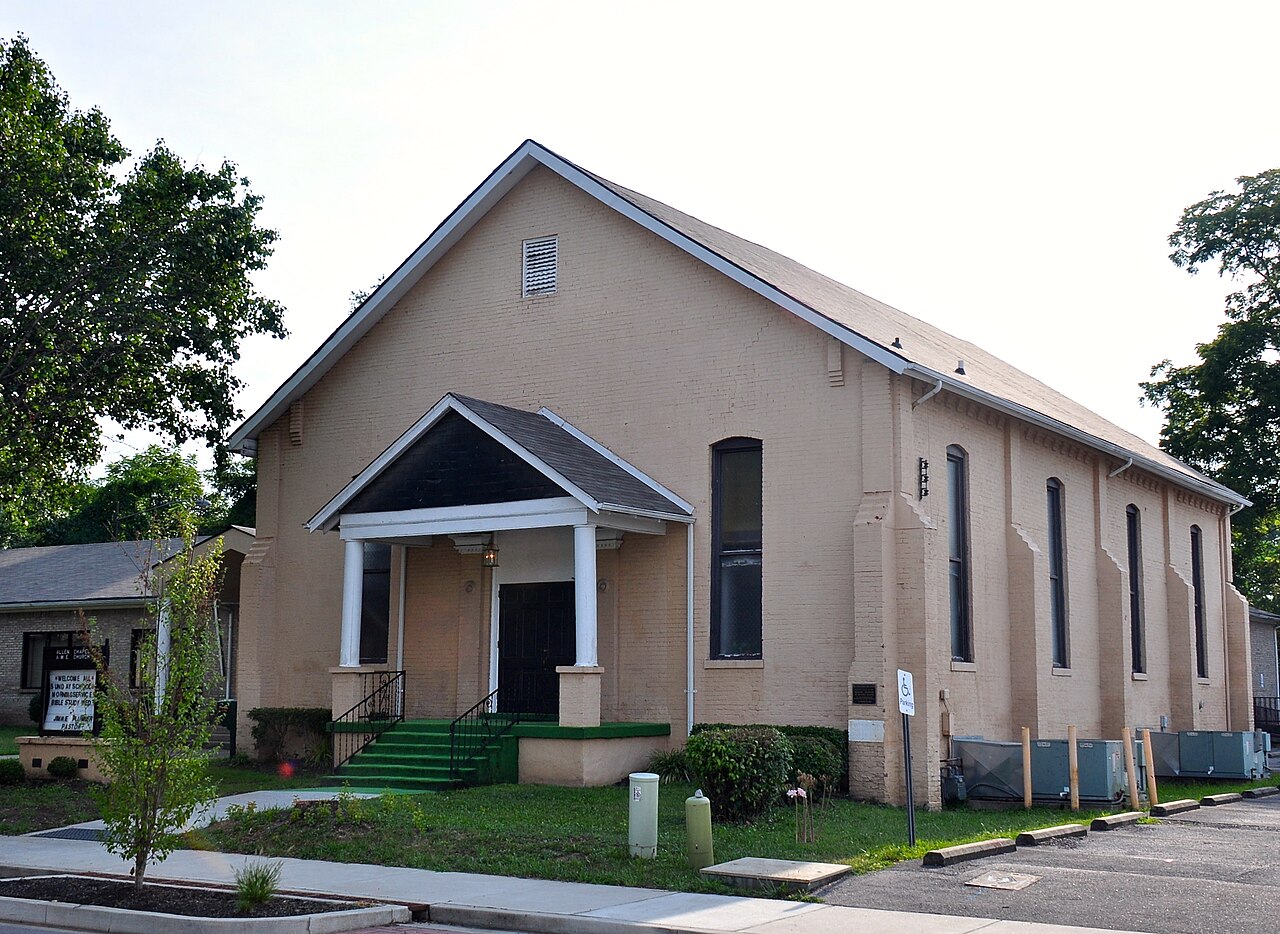
Allen Chapel African Methodist Episcopal (AME) Church, Murfreesboro’s oldest black congregation, was established in the early months of Reconstruction (1866) by newly freed men and women. The beginnings of Allen Chapel were led by trustees Peter Lytle, John Reeves, and John Claiborne, and it represented an important step in the creation of Murfreesboro’s post-Civil War African American community and culture. It also represented a courageous first step for the newly freed people to break away from their dual, but second-class membership, in local white congregations and establish their own religious identity and practices. Its denominational affiliation, the AME Church, also has a proud history as the first connectional Black Christian denomination. Established in Philadelphia, Pennsylvania, in 1787, Richard Allen led a withdrawal of Black members from the predominantly White St. George’s Methodist Episcopal Church in protest against racial discrimination. Officially sanctioned in 1816, the AME Church provided African Americans with religious and social autonomy. This denomination resides in over 39 countries and on five continents.
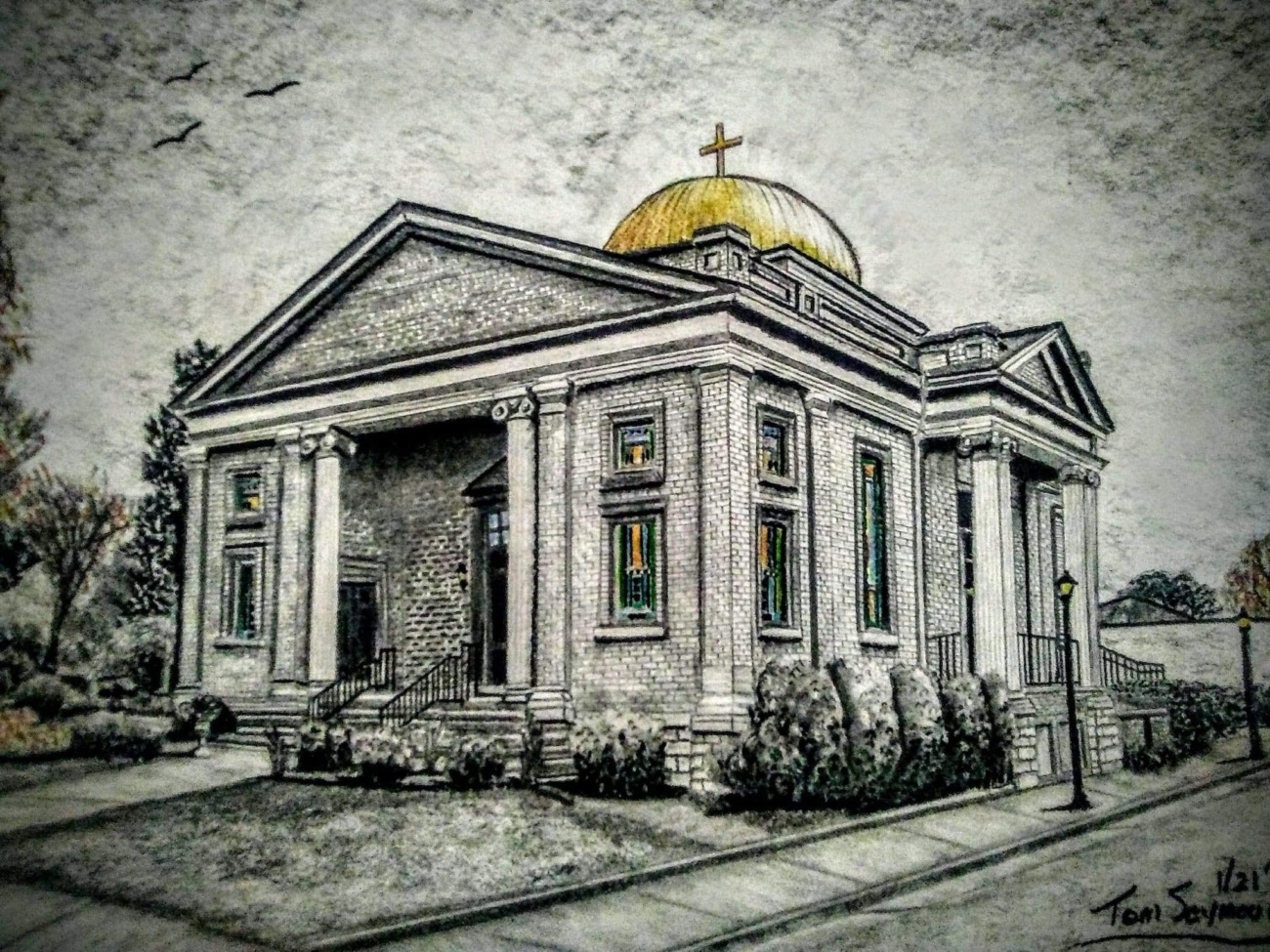
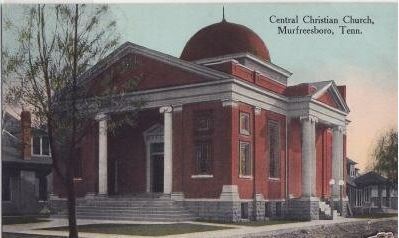
Central Christian Church (Disciples of Christ) has been a part of Murfreesboro and Rutherford County for over a century. Founded in 1908, the name “Central” was chosen as a reference to the congregation’s support for a centralized missionary society.
Construction of our sanctuary began in May of 1911. Bell Bros. & Co. of Murfreesboro was the builder; W.R. Bell, Jr. was the architect; and Kelley Poff was superintendent of the construction. It took almost two years to complete the construction of the building which was finalized in December of 1912. The structure is a combination of Oriental Byzantine architecture with the Greek classical order of columns. The dome has been likened to that of St. Sophia of Istanbul, Turkey, built between 532 and 537 CE. In the building’s design, the arch of the hemispherical dome is repeated in the sanctuary. A rounded arch is found over the organ pipes. It is made of dark, polished wood with Ionic columns. Another arch is found over the marble baptistery with Ionic columns including the ram’s horns. The baptistery arch has a large keystone at the top. Rounded arches are evidenced in the choir railing, and the pews are arranged in a semi-circle around the chancel area. Rounded corners in the choir loft and overhead ceiling provide the room with excellent acoustics. Both the interior and exterior were renovated to preserve the historical integrity of the building in 2002.